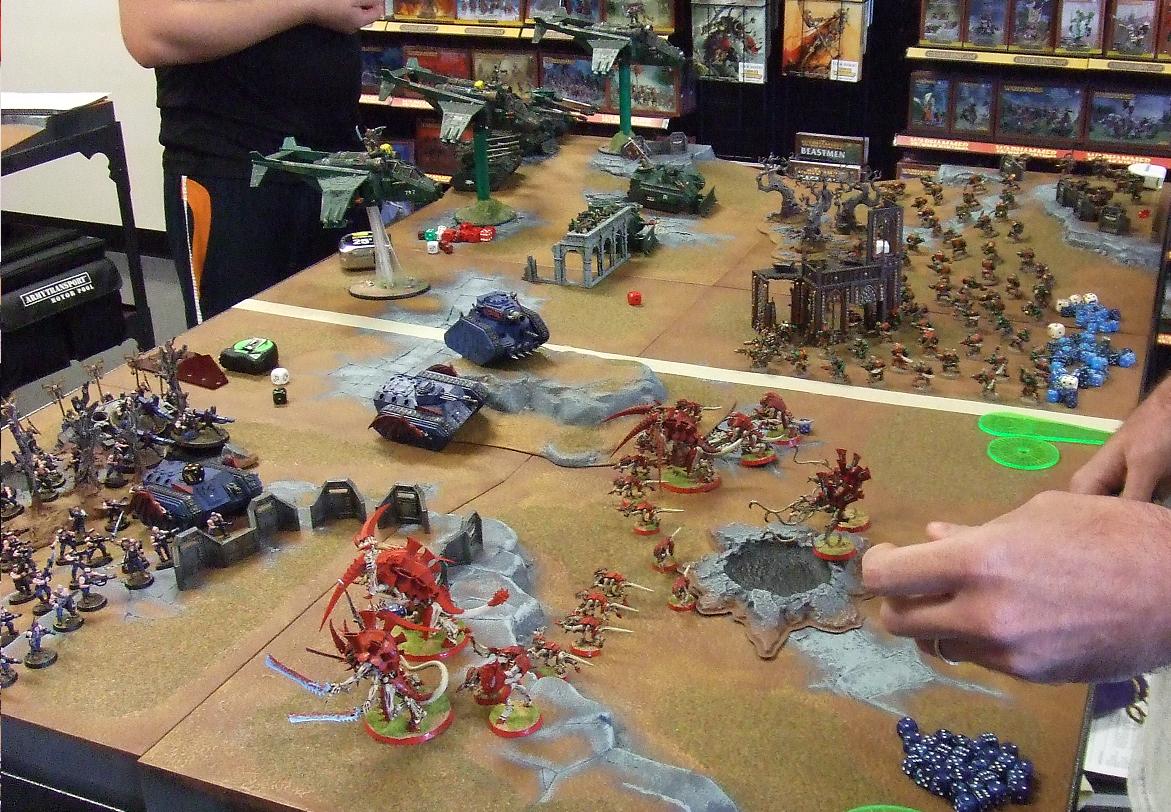
Rick Priestley on Games Workshop's Identity Crisis: A Founding Vision Under Scrutiny
Games Workshop, a titan in the world of tabletop wargaming, has cultivated a fiercely loyal fanbase and an iconic stable of intellectual property, most notably the Warhammer universes. Yet, beneath the polished plastic and meticulously painted miniatures, a profound debate rages about the company's true identity. At the heart of this discussion stands Rick Priestley, a co-creator of Warhammer 40,000 and a pivotal figure in the company's early development. Priestley offers a stark and critical perspective, arguing that Games Workshop has undergone an identity crisis, abandoning its roots as a 'games company' in favour of becoming a 'model company selling collectibles.' This shift, he contends, is not only self-deceiving but has had far-reaching consequences for creativity, design, and even the company's internal structure.
The Philosophical Divide: Games Company vs. Model Company
Priestley's central critique is rooted in a fundamental philosophical difference: is Games Workshop primarily in the business of creating engaging tabletop games, or is its core focus on producing and selling highly detailed miniature models? For Priestley, the distinction is clear and the current reality disappointing. "The current attitude in Games Workshop is that they’re not a games company, it’s that they’re a model company selling collectibles," he states unequivocally, adding, "That’s something I find wholly self-deceiving and couldn’t possibly agree with."
This isn't merely a semantic quibble; it represents a profound divergence in corporate strategy and creative priorities. A 'games company' typically invests heavily in game design, rule development, playtesting, and fostering a community around strategic gameplay. Its success is measured by the depth, balance, and longevity of its gaming systems. In contrast, a 'model company' prioritizes the aesthetic quality, collectibility, and perceived value of its physical products. Its focus might lean towards sculpting detail, production efficiency, and collectible scarcity, with the actual game rules potentially becoming a secondary concern, primarily serving as a justification for purchasing more models.
Priestley's perspective suggests that this shift has led to a situation where game development, his original bailiwick, is seen as an afterthought. "The role I had in the studio was with staff working on game development and design, and they’d pretty much decided that game development and design wasn’t of any interest to them." This re-prioritization, from the very top, impacts everything from product release schedules to the allocation of creative talent and resources, shaping the very nature of the Warhammer hobby for its millions of adherents.
The Destruction of the Creative Studio: When Sales Took Over
One of the most damning observations from Priestley concerns the erosion of the creative studio's autonomy and influence within Games Workshop. Historically, the company maintained a crucial separation between its creative engine and its sales apparatus. This was a deliberate strategy, championed by figures like Bryan Ansell, who, according to Priestley, warned that "if the sales people got to be in charge of the studio, it would destroy the studio, and that’s exactly what happened."
This shift wasn't a sudden cataclysm but a gradual process, likely exacerbated by the pressures of rapid expansion. Early on, Tom Kirby's need to "borrow a lot of money to buy the business" necessitated a swift acceleration of company growth. While growth is often seen as a positive, it can introduce commercial imperatives that eclipse creative vision. When sales divisions gain undue influence, the focus naturally shifts from nurturing innovative game concepts to maximizing immediate revenue streams. Creativity can become commodified, valued less for its intrinsic merit and more for its potential to drive model sales.
The consequences for the studio, the vibrant heart of Games Workshop's intellectual property, were severe. A loss of creative control means that designers may find themselves constrained by commercial mandates, unable to pursue novel ideas or make decisions purely for the sake of improving the game experience. This can lead to a stagnation of design, a focus on iterative releases rather than groundbreaking innovation, and a growing disconnect between the games and the community that plays them. For a deeper dive into this internal power struggle, consider reading Priestley: Sales Destroyed Warhammer's Creative Studio.
The Lord of the Rings Paradox: Success as Perceived Failure
Priestley also highlights a curious paradox concerning Games Workshop's handling of the highly successful Lord of the Rings license. From an external perspective, the Lord of the Rings tabletop game and its associated miniatures were immensely popular, introducing Warhammer-style gaming to a broader audience. Yet, internally, Priestley recounts that "the success of the Lord of the Rings ended up being a failure in the company’s eyes because they lost control of it, which always pissed me off."
This seemingly contradictory assessment reveals a crucial insight into Games Workshop's operational mindset during that period. The sales divisions, having been granted significant autonomy and political power, had developed "hugely overblown organisations." These divisions, it seems, had become accustomed to a self-perpetuating sales environment where "people just coming in and buying stuff" was the norm. The Lord of the Rings license, with its pre-existing global appeal, delivered exactly that: a ready-made market eager to purchase. However, when the initial surge of sales plateaued, or when the sales teams were expected to actively *sell* rather than just process orders, their bloated structures proved inefficient. They had the staff, but "none of them could actually sell anything."
The "loss of control" wasn't about the game's popularity but about the company's inability to manage its internal sales structures efficiently in the face of organic market fluctuations. It suggests a corporate culture that struggles with managing external successes if they don't perfectly align with internal, often rigid, operational expectations. This specific example underscores Priestley's broader point about a company that prioritizes its own internal perceptions and commercial mandates over genuine market success and creative integrity, a theme further explored in Warhammer Co-Creator Slams GW's Model Company Focus.
Lessons from the Past: Reclaiming a Balanced Vision
Rick Priestley's candid observations offer valuable insights not just for Games Workshop, but for any creative industry grappling with growth and commercial pressures. The core challenge lies in maintaining a balance between artistic vision and commercial viability. Here are some actionable takeaways:
- Prioritize Core Identity: Companies must clearly define what they are and what value they deliver. If a 'games company' shifts to a 'model company,' it risks alienating its original fanbase and losing its unique selling proposition. Regularly revisit and reaffirm your core mission.
- Safeguard Creative Autonomy: Protect your creative departments from undue commercial pressure. While collaboration is essential, creative teams need space and freedom to innovate without being solely dictated by sales forecasts or immediate profit margins. Establish clear boundaries and empower creative leadership.
- Invest in Both Product & Experience: For a company like Games Workshop, both the models and the games they represent are vital. Invest equally in exquisite miniatures *and* well-designed, balanced, and engaging rule systems. The holistic experience is what truly hooks customers.
- Build Agile Sales Strategies: Overblown sales organizations that rely solely on brand power are unsustainable. Companies need adaptable, skilled sales teams capable of active selling, market analysis, and responding to evolving customer needs, rather than just passively receiving orders.
- Listen to Founding Voices: While companies must evolve, the insights of founders and long-term veterans like Rick Priestley offer invaluable historical context and warnings. Their perspective can help prevent companies from straying too far from their foundational principles.
Conclusion
Rick Priestley's critical appraisal of Games Workshop's trajectory serves as a poignant reminder of the delicate balance required to nurture a creative enterprise. His concerns about the company's identity crisis—its perceived transformation from a games company to a model company, the subjugation of the creative studio to sales pressures, and the internal misinterpretation of external success—paint a vivid picture of a company wrestling with its own legacy and future. For fans and industry observers alike, these insights provoke reflection on what truly defines Games Workshop, and indeed, any company built on passion, creativity, and community engagement. As the Warhammer universe continues to expand, the question of its soul remains a compelling and ever-present debate.